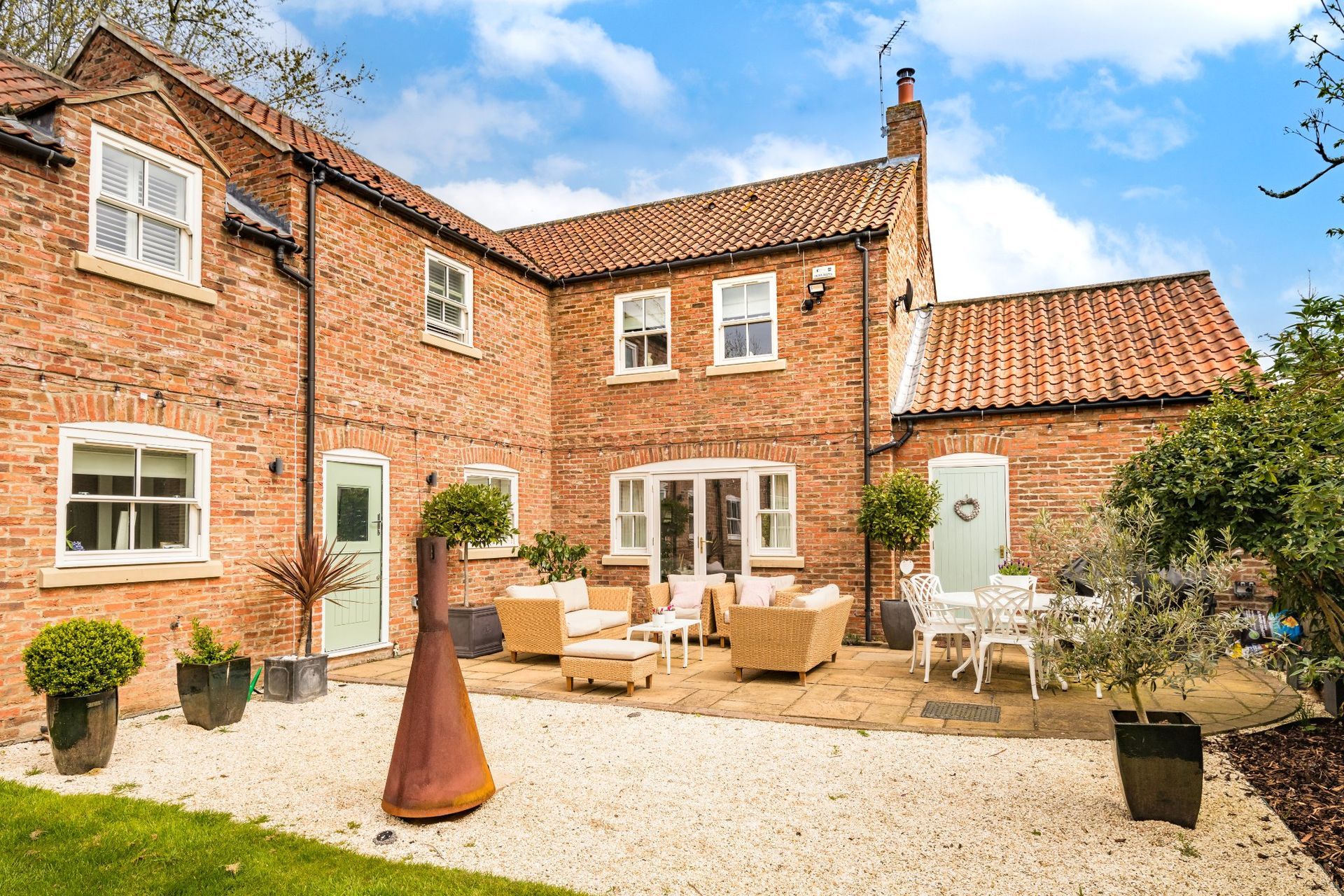
When to Adjust Your Asking Price - and Why Waiting Can Cost More
Reducing the price of a property is one of the decisions sellers tend to resist most.
That is understandable.
Once your home is on the market, it is natural to want to give it time. Time for more buyers to appear. Time for the right person to come along. Time for the market to catch up with the value you see in it.
Sometimes that patience is justified.
But sometimes waiting does not protect value. It weakens it.
In York, the first few weeks of a property launch usually reveal far more than many sellers realise. This is when your home gets the greatest visibility, the highest level of fresh attention, and the clearest response from active buyers.
If that response is weaker than it should be, waiting too long to act can make the position harder to recover.
What sellers should remember
- The first three to four weeks on the market usually reveal how buyers are responding.
- If viewings are low and feedback repeats, the asking price may be creating hesitation.
- Waiting too long can cause a property to lose momentum and appear stale to buyers.
- A small adjustment made early can often protect value more effectively than a larger reduction later.
- Pricing decisions should always be based on clear market evidence rather than emotion or guesswork.
Price is not just a number - it shapes perception
Buyers do not look at price in isolation.
They use it to decide whether a property is worth viewing, how it compares to similar homes, and whether it feels realistic in the current market.
That means pricing affects more than interest levels. It shapes perception from the start.
If a property is launched slightly too high, the market often responds quickly. Enquiries are fewer than expected. Viewings are limited. Feedback begins to repeat itself.
“It’s lovely, but feels high.”
“We like it, but not at that level.”
“We’d be interested if it were priced a little differently.”
That kind of feedback matters, especially when it becomes consistent.
The issue is rarely that buyers dislike the property. Often they do. The issue is that the pricing is creating hesitation.
The first few weeks matter most
The first three to four weeks are usually the strongest window of exposure.
That is when your property is new to the market, appearing in alerts, catching the attention of buyers who are actively searching, and benefiting from a sense of freshness.
This is when the market is most likely to give you an honest response.
If the launch is well judged, that early period often leads to strong viewings, better offers, and a more confident negotiating position.
If the launch is not landing properly, those same weeks tell you something important as well.
This is why waiting simply for the sake of waiting can be costly. Once a property starts to feel stale, buyers begin to ask different questions.
Why has it not sold?
Has something been missed?
Is there an issue no one is saying out loud?
Even if nothing is wrong, the longer a property sits without movement, the more its position can weaken in the eyes of the market.
The risk of waiting too long
This is one of the most common traps sellers fall into.
The thinking is understandable: interest may still build, the right buyer may still appear, and changing course too early may feel unnecessary.
But if the evidence is already clear, delay rarely improves the outcome.
If viewing numbers are low, feedback is consistent, and comparable properties are moving while yours is not, the market is already giving you an answer.
At that point, holding the same position for another few weeks often does not preserve value. It simply means losing time while visibility declines.
A smaller adjustment made early is often more effective than a larger one made later.
Many sellers only recognise this in hindsight.
Why early adjustments can protect value
A price adjustment is often misunderstood as a sign that something has gone wrong.
In reality, it is usually a strategic response to market evidence.
If the first few weeks show that the pricing is creating resistance, adjusting early can help you reconnect with the right pool of buyers while the property still feels relatively fresh.
That can protect value far more effectively than sitting still for too long and eventually needing a more significant reduction to regain attention.
In other words, an early correction can be a way of preserving your position, not weakening it.
The aim is not to chase the market down. It is to stay aligned with it before momentum is lost.
Not every quiet period means the price is wrong
It is important to be measured here.
A slower response does not automatically mean a price change is needed.
Presentation may need improving. The marketing may need adjusting. The timing of launch may have affected initial momentum. In some cases, a property simply needs the right buyer.
This is why pricing decisions should never be based on emotion or impatience alone.
The question is whether the evidence is consistent.
Are viewings below expectation?
Is similar feedback coming back repeatedly?
Are comparable homes attracting stronger interest?
Is there enough activity to justify holding firm?
When the answers point in the same direction, it is usually worth listening.
What a sensible pricing review looks like
A good pricing conversation should be calm and evidence based.
It should look at:
- Viewing levels
- Feedback from buyers
- Comparable local competition
- How long the property has been live
- Whether interest is improving, flat, or fading
This is not about dropping the price for the sake of movement. It is about understanding whether the current strategy is helping or holding you back.
Sometimes no change is needed.
Sometimes a modest repositioning makes all the difference.
The key is timing. The best decisions are usually made while there is still enough momentum to work with.
Protecting the sale, not proving a point
This is often the real shift in mindset.
Pricing is not about defending a figure at all costs. It is about creating the best possible chance of a successful sale.
That may mean holding firm when the evidence supports it.
It may mean adjusting when the market is clearly telling you something else.
Either way, the goal is the same: to keep the property in a strong position and avoid drifting into a weaker one through delay alone.
A well-timed decision is usually the strongest one
Sellers do not lose leverage simply by reviewing price.
They lose leverage when the market has already moved on and the decision comes too late.
A well-timed adjustment, made for the right reasons, is often what restores momentum, broadens interest, and leads to a better overall outcome.
The important thing is not to wait for certainty that never comes. It is to act when the evidence is clear enough.
At Chestnut Solutions we focus on helping sellers position their homes carefully from the outset, so pricing supports interest rather than holding it back.
Once a buyer is found, maintaining momentum becomes just as important as setting the right price. We recently explained the most common causes of delays in our guide to keeping a property sale on track.
Thinking about selling in the near future?
Getting the launch price right is one of the most important parts of a successful sale.
The strongest results usually come from understanding how buyers are likely to respond before the property reaches the market — not trying to correct the position later.
Careful pricing, strong presentation and the right launch strategy help ensure your home attracts the attention it deserves from the beginning.
When those elements work together, sellers are far more likely to generate early interest, maintain negotiating strength and achieve the best possible outcome.