Moving House: What Can You Control?
There are a lot of moving parts in a property transaction.
Buyers, sellers, estate agents, solicitors, mortgage lenders and surveyors are all involved, sometimes across several transactions in a chain. However organised you are, you can't control everything that happens.
What you can do is concentrate on the things within your control. Being prepared, responding quickly and thinking ahead won't prevent every problem, but it can make the whole process considerably easier.
Get the basics organised early
If you're buying with a mortgage, speak to a mortgage adviser or lender before you start seriously looking at properties. Understand what you can borrow, what you are comfortable spending and have an Agreement in Principle in place where appropriate.
If you're selling and buying, make sure you understand how the figures work for your onward purchase too. Consider your existing mortgage, any early repayment charges or porting arrangements, moving costs and the other expenses involved in buying and selling.
It's also worth choosing your solicitor early. Getting quotes, making your decision and completing the initial paperwork means there is one less thing to deal with once your sale or purchase is agreed.
Get your property paperwork together
If you're selling, start gathering information about your property before it is requested.
Depending on the property, this could include planning permissions, building regulations documents, guarantees, certificates and details of alterations.
Having it ready can help you answer enquiries promptly and avoid unnecessary delays.
We've created a Property Document Checklist to help sellers identify some of the information worth gathering before a sale gets underway.
Prepare properly before going on the market
A little organisation before your property is launched can make the weeks that follow much easier.
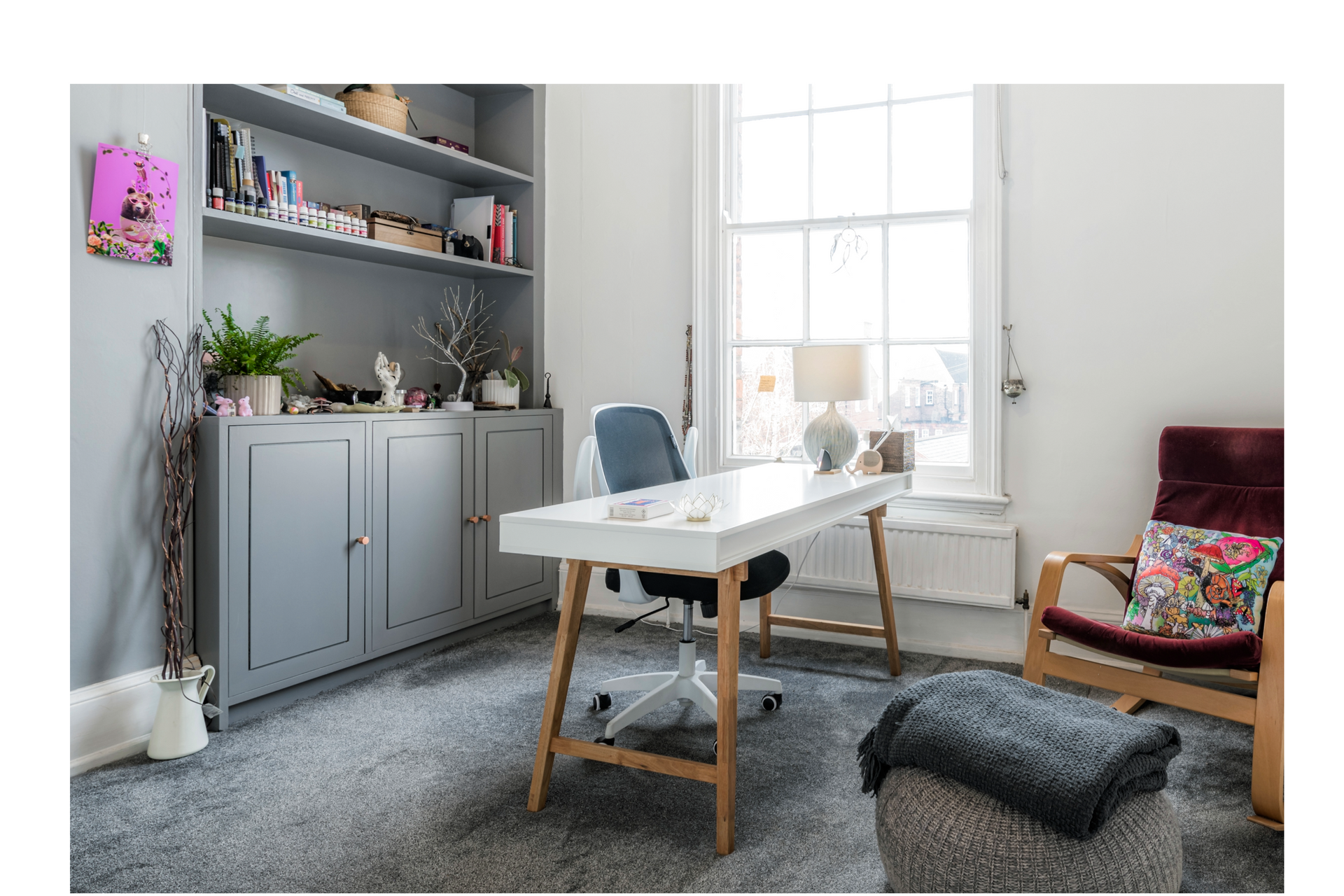
Decluttering is an obvious place to start. It helps rooms present better for photographs and viewings, but it also means you're beginning the process of sorting what will eventually need to be packed.
Deal with small maintenance jobs, such as scuffed paintwork or a dripping tap. Buyers notice these things, and you want your property looking its best from the moment it reaches the market.
We've covered the preparation in more detail in our guide to getting your property market ready.
Then think about how you're going to manage viewings alongside normal life.
If you work from home, work nights or have other commitments that make particular times difficult, tell your agent when viewings can realistically take place. Agreeing suitable times or days in advance can make this easier to manage.
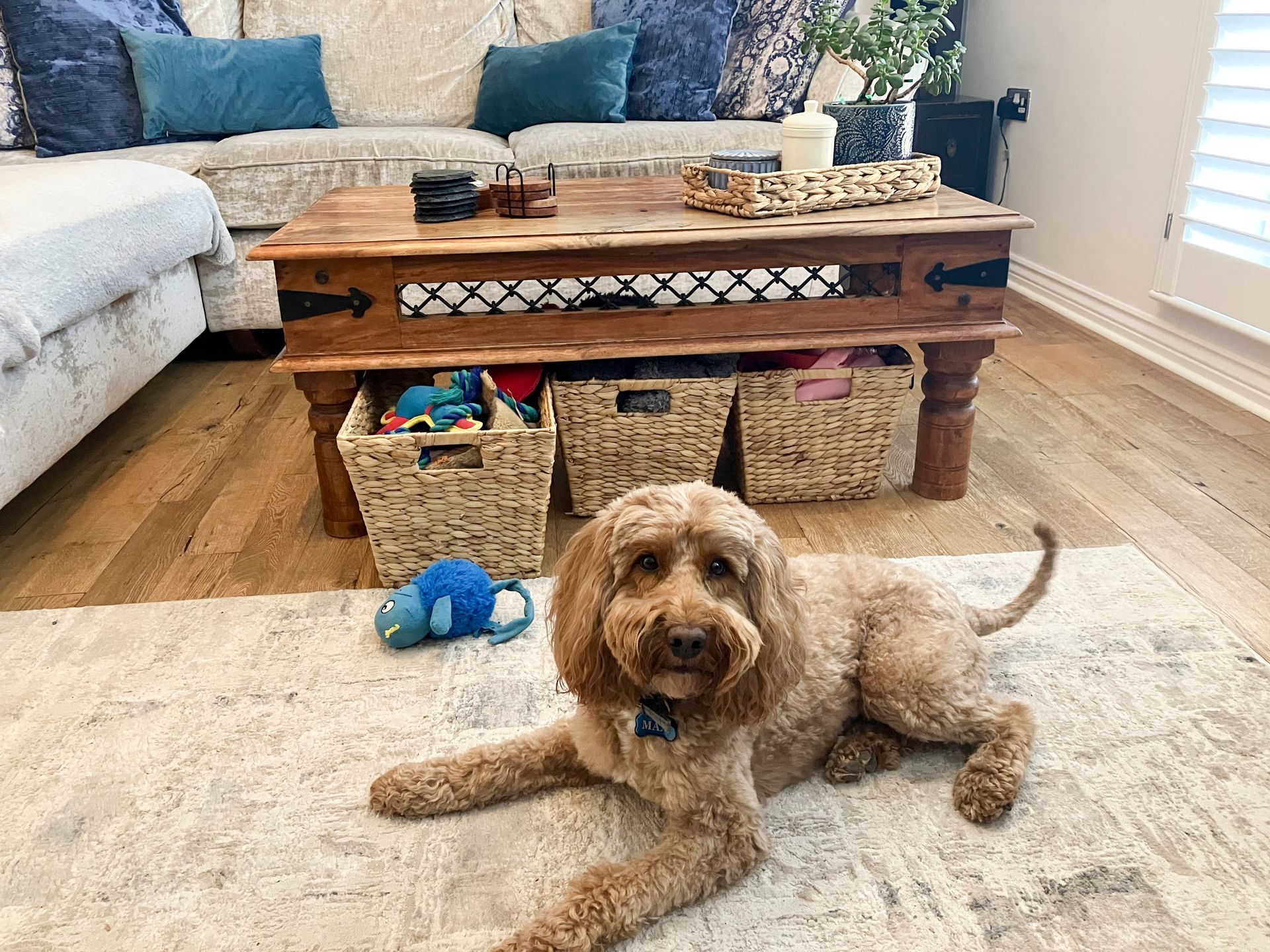
Simple systems at home can help too. A couple of baskets for quickly gathering everyday clutter, somewhere to put shoes and coats and a routine for keeping on top of kitchens and bathrooms can make a last-minute clean and tidy much less stressful.
Selling with children or pets can take a little more planning too. We've covered both in our guides to Selling with Children and Selling with Pets.
Respond and communicate
Once a transaction is underway, your solicitor, mortgage adviser or agent will need information from you at different stages. Responding promptly and accurately helps keep your part of the transaction moving.
If something changes that could affect your move, tell the relevant people. If you're unsure about something, ask. Most people don't move house very often and nobody should expect you to understand every stage of the process.
Think about your onward plans
You don't necessarily need to have found your next property before going on the market, but it helps to understand your options.
Are you hoping to buy immediately? Would you consider rented accommodation if necessary? Are there particular areas or types of property you're looking for? How flexible are you on timescales?
The clearer you are about your own position, the easier it is to make decisions when an offer comes in.
Buyers should think about their position in much the same way. Know what matters to you, what you're prepared to compromise on and what would make you walk away.
Plan for the actual move
You won't know your completion date until much later in the process, but you can still do some practical preparation.
If you're planning to use a removal company, speak to a few in advance to find out about costs, availability and how much notice they generally need. You can also start thinking about what you're taking with you and what could be sold or donated.
A little forward planning means fewer things to organise once a moving date is agreed.
Recognise what isn't yours to control
You can be exceptionally organised and still encounter delays or unexpected issues. This is where good sales progression really matters.
A good estate agent remains actively involved after the sale has been agreed, communicating with the buyer, seller, solicitors and other agents in the chain. They keep track of where each transaction has reached and follow up when something is holding progress up.
They can't control everything that happens within a chain, but they can make sure issues are followed up and everyone is kept informed.
For your part, concentrate on the things you can influence: be prepared, respond when something is needed, communicate when circumstances change and think ahead.
A good agent manages the sale and the communication around it, leaving you to concentrate on the decisions and practicalities that only you can deal with.
Good preparation and good management can make a considerable difference to the whole moving process.